



Minnesota Protests Enter 3rd Week as Immigration Raids Continue
Protests across Minnesota continue into a third week as federal immigration raids spark community response, debate, and questions about enforcement, civil liberties, and local impact.
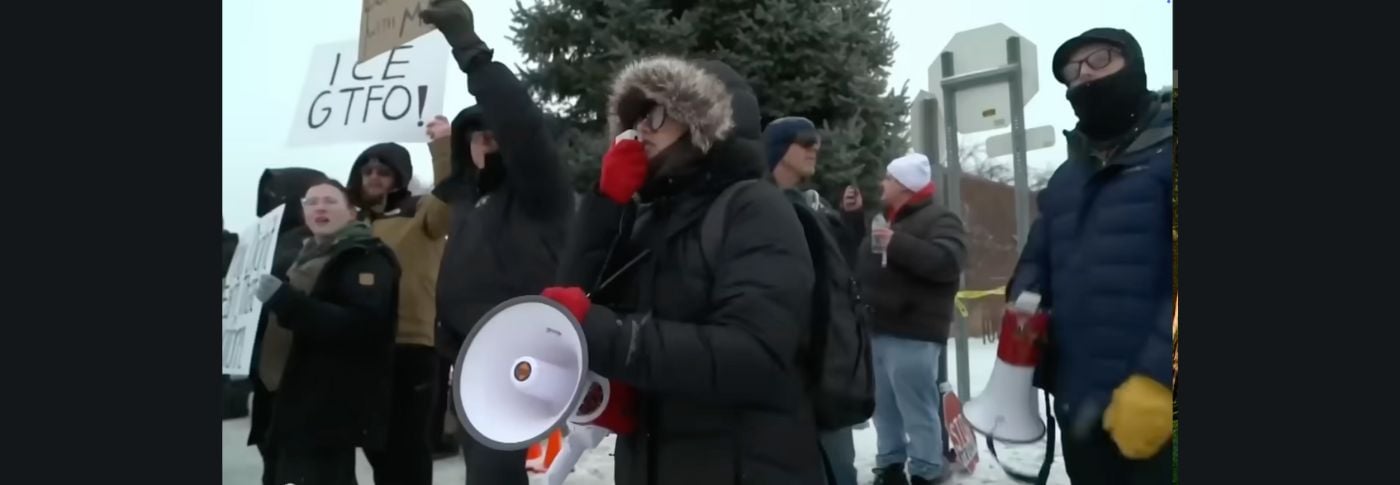
Image credit: PBS
Share
January 21, 2026
Protests across Minnesota continue into a third week as federal immigration raids spark community response, debate, and questions about enforcement, civil liberties, and local impact.
Share
Note: If you are short on time, watch the video and complete this See, Think, Wonder activity: What did you notice? What did the story make you think? What would you want to learn more about?
In Minnesota, clashes between protesters and federal immigration officers continue into a third week. It comes as the Department of Justice announced its plan to pursue charges against protesters in Minneapolis, while confirming it does not plan to investigate the circumstances surrounding the fatal shooting of Renee Good by an ICE agent. Special correspondent Fred de Sam Lazaro reports.
Watch and discuss this daily news lesson with a family member, friend or neighbor. Some of you may do this already, and others may not. Believe it or not, people in your life want to know what you are learning at school and will be interested in hearing your thoughts on the news. Be sure to listen to their thoughts, too.
You might be wondering what happens if you don't agree on the issue or even the facts of the matter? That's okay! In fact, that is what living in a democracy is all about — finding common ground and learning from others through civil discourse.
Want to see more stories like this one? Subscribe to the SML e-newsletter!
Republished with permission from PBS News Hour Classroom.


